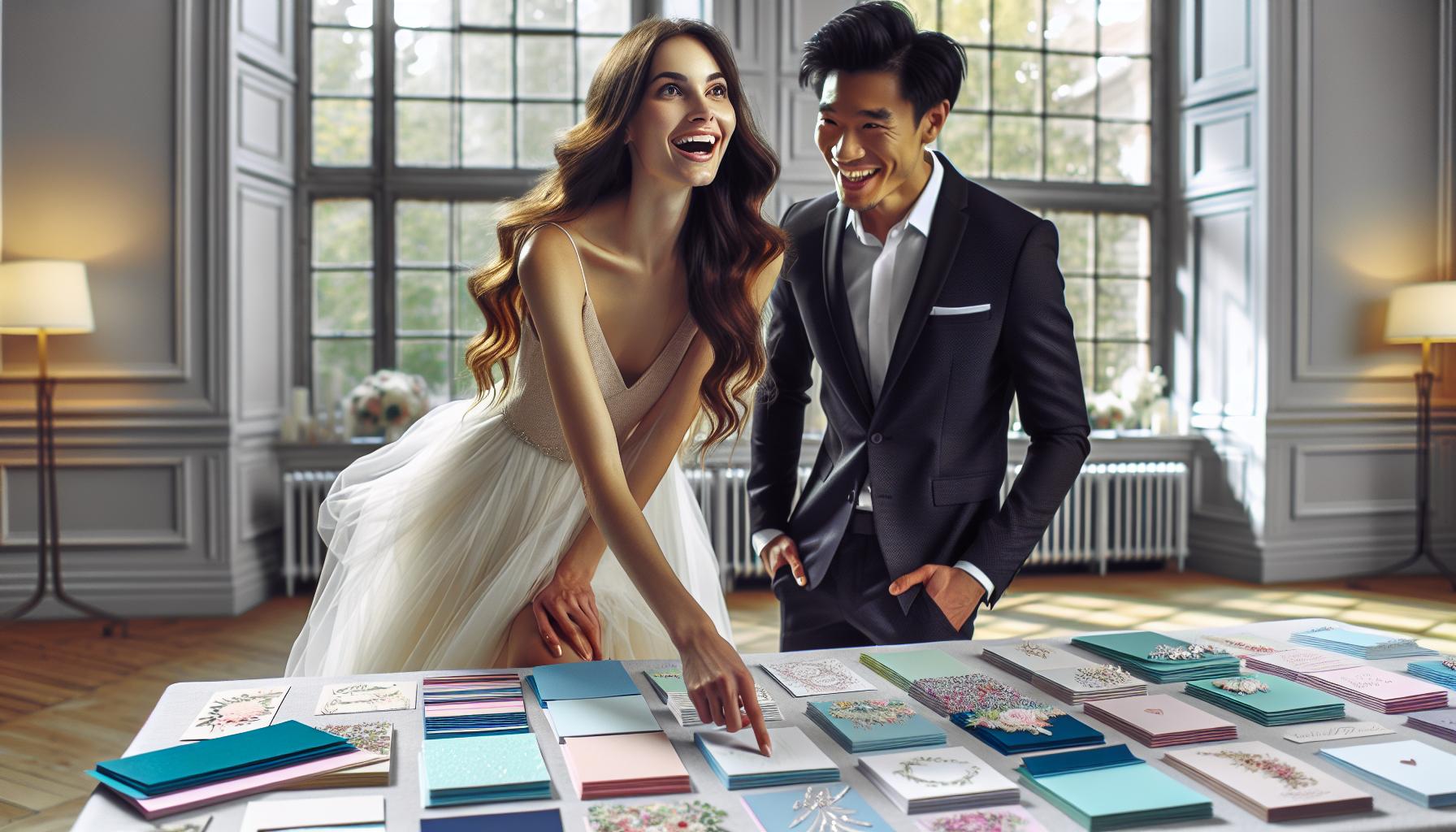
I’ve always believed that wedding invitations are more than just paper and ink – they’re the first glimpse into your special day. As someone who’s designed hundreds of invitations I know how crucial it is to strike the perfect balance between personal style and traditional elements.
When I started my own wedding design invitations, I discovered that the process doesn’t have to be overwhelming. Whether you’re going for elegant and classic or modern and bold there’s a design approach that’ll perfectly capture your love story. I’ll share my favorite tips and techniques that’ll help you create invitations that’ll make your guests say “wow” the moment they open their mailbox.
Essential Elements of Wedding Invitation Design
I’ve created numerous wedding invitations over the years, and I’ve identified key design elements that make invitations stand out. These components work together to create a cohesive invitation that sets the tone for the celebration.
Typography and Font Selection
Typography forms the foundation of wedding invitation design, combining readability with style. I recommend pairing 2 complementary fonts: a decorative font for names or headings with a clean serif or sans-serif font for body text. Here are proven font combinations:
- Script + Serif: Bella Donna with Garamond
- Modern + Sans-serif: Brandon Grotesque with Montserrat
- Classic + Traditional: Copperplate with Baskerville
- Contemporary + Minimal: Didot with Futura
Color Schemes and Themes
The color palette ties the invitation design to the wedding theme while maintaining visual harmony. I select 3 coordinating colors:
Primary Colors:
| Role | Usage | Example Combinations |
|---|---|---|
| Main Color | 60% of design | Navy, Burgundy, Sage |
| Accent Color | 30% of design | Gold, Silver, Blush |
| Highlight Color | 10% of design | White, Cream, Pearl |
My top color combinations for wedding invitations include:
- Dusty blue + copper + cream
- Emerald + gold + ivory
- Mauve + silver + white
- Navy + blush + champagne
- Metallic + neutral tones = elegant sophistication
- Earth tones + white = rustic charm
- Pastels + cream = romantic whimsy
- Bold + metallic = modern luxury
Choosing the Perfect Wedding Invitation Style

I’ve discovered that selecting an invitation style sets the foundation for your wedding’s visual identity. The right style communicates your celebration’s mood while giving guests their first glimpse into your special day.
Traditional vs Modern Designs
Traditional wedding invitations feature classic elements like script fonts, formal language, decorative borders and monograms. I often incorporate traditional design elements like:
- Ornate calligraphy paired with serif fonts
- Black text on white or ivory paper
- Embossed or letterpress printing
- Formal border designs
- Double envelopes with inner linings
Modern invitations embrace contemporary aesthetics with:
- Clean sans-serif typography
- Minimalist layouts with ample white space
- Bold geometric patterns
- Unique paper shapes or laser-cut details
- Digital printing techniques
- Metallic foils in rose gold or copper
Popular Wedding Invitation Formats
- Flat Cards (5×7″ or 4×6″)
- Single-sided printing
- Streamlined look
- Cost-effective production
- Folded Cards
- Multiple panels for extra details
- Space for ceremony information
- Room for translations
- Pocket Folders
- Holds multiple enclosure cards
- Protects invitation contents
- Creates an interactive experience
- Digital Suites
- Paperless delivery
- Animated elements
- Built-in RSVP tracking
| Format Type | Typical Size | Best For |
|---|---|---|
| Flat Card | 5″ x 7″ | Simple elegance |
| Folded Card | 5″ x 7″ (folded) | Additional information |
| Pocket Folder | 6″ x 9″ | Multiple inserts |
| Digital Suite | Variable | Tech-savvy couples |
Customization and Personalization Options

I’ll guide you through personalizing your wedding invitations with unique design elements that reflect your style. Creating a distinctive invitation starts with selecting customization options that align with your vision.
Graphics and Illustrations
Custom graphics transform standard invitations into personalized works of art. I recommend incorporating monograms vignettes florals or custom illustrations to add character to your design. Digital watercolor elements create soft romantic touches while line drawings offer modern sophistication. For destination weddings venue sketches or location-inspired motifs add meaningful context to the design.
Paper Types and Printing Methods
The paper selection and printing technique dramatically impact the final look of your wedding invitations. Here are the primary options I work with:
Paper Types:
- Cotton (100% pure featuring a luxurious textured finish)
- Pearl (metallic sheen perfect for elegant designs)
- Handmade (rough edges ideal for rustic themes)
- Recycled (eco-friendly with natural texture)
Printing Methods:
| Method | Effect | Best For |
|---|---|---|
| Letterpress | Deep impressions | Traditional designs |
| Foil Stamping | Metallic shine | Luxury invitations |
| Digital | Vibrant colors | Photo elements |
| Thermography | Raised text | Cost-effective elegance |
The combination of paper type printing method creates unique tactile experiences. I suggest testing different paper samples with your chosen printing technique to ensure the desired outcome matches your vision.
Digital Wedding Invitation Design Tools
Digital tools transform wedding invitation design into an accessible creative process with professional-quality results. I’ve tested numerous platforms to identify the most effective options for both beginners and experienced designers.
Top Design Software and Apps
Adobe Creative Suite leads the professional design space with Illustrator for vector graphics and Photoshop for image editing. I recommend Canva Pro for its intuitive interface and wedding-specific features, while Procreate excels for custom illustrations on iPads. Here’s a comparison of popular design tools:
| Software | Best For | Key Features | Learning Curve |
|---|---|---|---|
| Canva Pro | Beginners | Drag-and-drop interface, templates | Low |
| Adobe Illustrator | Professional design | Vector graphics, precise control | High |
| Procreate | Digital illustrations | Hand-drawn elements, brushes | Medium |
| Affinity Designer | Budget-conscious pros | One-time purchase, vector tools | Medium |
Online Design Templates
Template marketplaces offer customizable designs that save time while maintaining professional quality. I’ve found Etsy provides unique templates from independent designers, while Minted specializes in customizable wedding suites. Premium templates include:
- Editable PDF formats with adjustable text fields
- Coordinating piece designs for save-the-dates cards menus
- Multiple color variations for easy palette matching
- Font recommendations with free commercial-use options
- Print-ready files with proper bleeds margins
- Mobile-responsive digital versions for virtual sharing
Pre-designed templates reduce technical challenges while allowing personalization through colors fonts images. Each marketplace maintains quality standards ensuring professional results regardless of design experience.
Wedding Invitation Design Timeline
I’ve found that creating a well-planned timeline ensures a stress-free invitation design process that aligns with your wedding date. Here’s a breakdown of key phases and deadlines to keep in mind.
When to Start the Design Process
The wedding invitation design process starts 8-12 months before the wedding date. I recommend creating 3-4 initial design concepts within the first month to establish the visual direction. Here’s a detailed breakdown:
- Begin researching invitation styles 12 months before the wedding
- Collect design inspiration images 10-11 months prior
- Select color schemes 9-10 months before
- Choose typography pairings 9 months ahead
- Create initial design mockups 8-9 months out
- Finalize design elements 8 months before
Important Deadlines and Milestones
- Order save-the-dates: 8-10 months before
- Mail save-the-dates: 6-8 months prior
- Finalize invitation wording: 5 months ahead
- Complete invitation design: 4-5 months before
- Order invitation suite: 4 months prior
- Proof invitations: 3-4 months before
- Address envelopes: 3 months ahead
- Mail invitations: 6-8 weeks before wedding
- Track RSVPs: 3-4 weeks prior deadline
| Design Phase | Timeline | Action Items |
|---|---|---|
| Planning | 12 months | Research styles & gather inspiration |
| Design | 8-10 months | Create concepts & select elements |
| Production | 4-5 months | Order & proof invitations |
| Distribution | 6-8 weeks | Address & mail invitations |
| Follow-up | 3-4 weeks | Track responses |
Including Key Wedding Details

I’ve found that conveying essential wedding information clearly on invitations prevents confusion and helps guests plan effectively. Here’s my expert guidance on what to include and how to present it professionally.
Essential Information to Feature
Every wedding invitation requires these core details:
- Names: List both partners’ full names in the preferred format
- Date: Include day of week month day year (e.g. Saturday, September 15, 2024)
- Time: Specify ceremony start time with AM/PM designation
- Venue: List complete location name address with ZIP code
- Reception: Note if reception follows at same or different venue
- RSVP: Add response deadline clear contact method (phone email card)
- Dress Code: State attire expectations (black tie cocktail casual)
- Website: Include wedding website URL for additional details
- Guest Count: Note “and guest” or specific names if plus-ones allowed
Wording and Etiquette Guidelines
- Host Line: Start with whoever is hosting (“Together with their families”)
- Request Line: Use formal language (“request the honor of your presence”)
- Time Format: Write numbers as words (“four o’clock in the afternoon”)
- Location Format: Present venue details on separate lines
- Order of Info: Follow traditional sequence (hosts names date time location)
- Tone Match: Align wording formality with wedding style
- Spacing: Leave appropriate white space between text blocks
- Special Notes: Include religious customs cultural traditions separate cards
- Language: Keep consistent formal or casual tone throughout suite
| Common Time Formats | Formal Style | Casual Style |
|---|---|---|
| Afternoon | half after four o’clock | 4:30 PM |
| Evening | seven o’clock in the evening | 7:00 PM |
| Morning | eleven o’clock in the morning | 11:00 AM |
Conclusion
I truly believe that designing wedding invitations should be one of the most exciting parts of your wedding planning journey. From choosing the perfect fonts to selecting paper textures your invitations are your chance to give guests a sneak peek of your big day.
With all the design tools and resources available today you can create something truly unique without getting overwhelmed. Just remember to stay true to your style take your time with the process and focus on what matters most to you and your partner.
I hope these tips have given you the confidence to start designing invitations that will make your guests say “wow” when they open their mailboxes. Now it’s time to let your creativity shine!